Gambling customs around the world exploring cultural differences
Understanding Gambling in Different Cultures
Gambling is a universal activity, yet its customs and significance vary greatly across different cultures. In many societies, gambling is not merely seen as a form of entertainment but also as a social practice intertwined with tradition. For instance, in Asian cultures, gambling often reflects familial bonds and community interaction. Events such as Lunar New Year celebrations feature games that encourage family gatherings, emphasizing unity and shared luck. Online platforms, such as https://geroplaycasino.co.uk, also highlight how traditions can flourish in digital spaces.

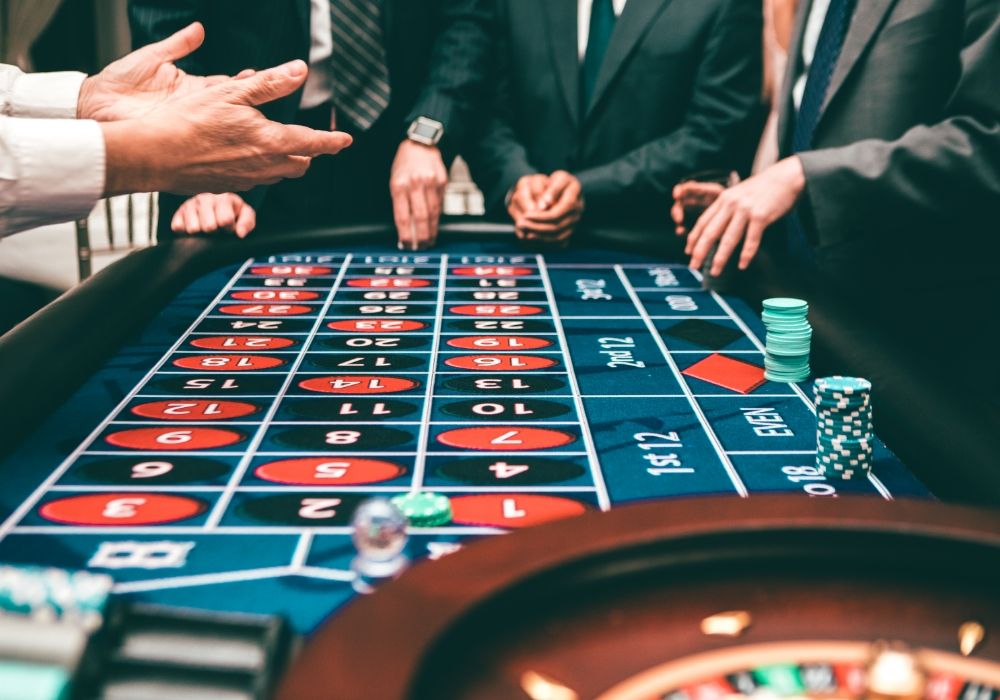
In contrast, Western cultures often perceive gambling as an individualistic endeavor. In Las Vegas, for example, casinos are designed to provide an immersive experience focused on personal entertainment. Here, the emphasis is on monetary gain and the thrill of risk, which aligns with the broader capitalist values prevalent in many Western societies. This distinction highlights how the cultural context shapes the very essence of gambling.
The legal landscape surrounding gambling also varies by culture. In some countries, such as Japan, gambling is heavily regulated and often tied to specific activities like pachinko. Conversely, in nations like the United Kingdom, a more liberal attitude towards gambling has led to an abundance of options, from casinos to online platforms. These regulatory differences are indicative of the underlying cultural beliefs regarding luck, fate, and moral considerations tied to gambling.
Traditional Gambling Games Around the World
Throughout the globe, various traditional gambling games have emerged, reflecting local customs and lifestyles. For example, in India, the game of Teen Patti is a popular card game often played during festivals. It brings people together for both recreation and bonding, showcasing how gambling can facilitate social connections while adhering to cultural norms. This communal aspect is pivotal in cultures that prioritize social interaction and family ties.
In Africa, games like Morabaraba demonstrate how traditional gambling can also serve as an educational tool. This two-player board game not only entertains but also hones critical thinking and strategy skills. Morabaraba is often played at social gatherings, reinforcing community relationships and cultural identity. Through such games, people can engage in friendly competition while preserving their heritage.
In Europe, the allure of traditional games like Boule or Petanque showcases a more laid-back approach to gambling. Often played in parks or local gatherings, these games embody a leisurely attitude where the emphasis lies more on enjoying the company rather than purely on financial stakes. These variations underscore the unique ways different cultures integrate gambling into their social fabric.
Modern Influences on Gambling Customs
The rise of technology has dramatically transformed gambling customs worldwide, blending traditional practices with modern innovations. Online casinos and mobile gaming apps have made gambling more accessible, allowing users to play from virtually anywhere. This shift is particularly notable in countries with stringent regulations, where online platforms offer alternative avenues for participation, thereby challenging existing cultural norms.
Virtual reality (VR) technology is further enhancing the gambling experience, creating immersive environments that simulate traditional casino settings. This development is particularly appealing to younger generations who may be less inclined to visit physical venues. With VR, players can engage in familiar games while enjoying the convenience of staying at home. This fusion of old and new customs reflects a significant cultural shift in how gambling is perceived and experienced.
Moreover, the global pandemic has accelerated the adoption of online gambling. Social distancing measures forced many traditional establishments to close, leading players to seek virtual alternatives. This transition has not only changed the dynamics of gambling but has also introduced new audiences to various cultural customs associated with the activity, further enriching the global gambling landscape.
The Role of Gambling in Cultural Identity
Gambling often serves as a means for individuals to express their cultural identities, with specific customs resonating deeply within communities. In regions such as the Caribbean, for instance, lotteries and betting on local sports are ingrained in the social fabric. These practices allow individuals to partake in their cultural narratives, fostering a sense of belonging and shared history.
Similarly, in Indigenous cultures, traditional games have been used for centuries as a form of storytelling and preserving heritage. These games often embody spiritual significance, representing not just a pastime but a way to connect with ancestors and cultural narratives. This deep-rooted connection illustrates how gambling can transcend mere entertainment, becoming a vital aspect of cultural preservation and identity.
The connection between gambling and cultural identity can also be seen in events like the Monaco Grand Prix, which combines high-stakes betting with a celebration of local culture and luxury. Such events illustrate how gambling can be a cultural spectacle, blending tradition with modernity and drawing participants from around the world. This blend reinforces the idea that gambling is not just about chance but also about shared experiences and cultural exchange.
Exploring Global Gambling Websites
As gambling customs evolve, so too does the online landscape that supports these activities. Websites offering a diverse array of games have sprung up globally, catering to both local and international audiences. These platforms often incorporate cultural elements into their offerings, providing games that resonate with regional preferences while also introducing players to different customs.
Modern online casinos, such as those that emphasize live dealer games, recreate the communal experience found in physical casinos. This allows players to enjoy social interactions while participating in a digital setting. Moreover, many of these websites offer promotions and features that reflect cultural events, enabling players to engage with their heritage while enjoying a global gaming experience.
In conclusion, the landscape of gambling is rich and varied, reflecting an intricate tapestry of cultural differences. As players navigate this environment, they are not only engaging in games but also participating in a broader dialogue about tradition, identity, and community. Understanding these customs enhances the gaming experience, making it more meaningful and enjoyable for players from all walks of life.
Tinggalkan Balasan